Algo Wars

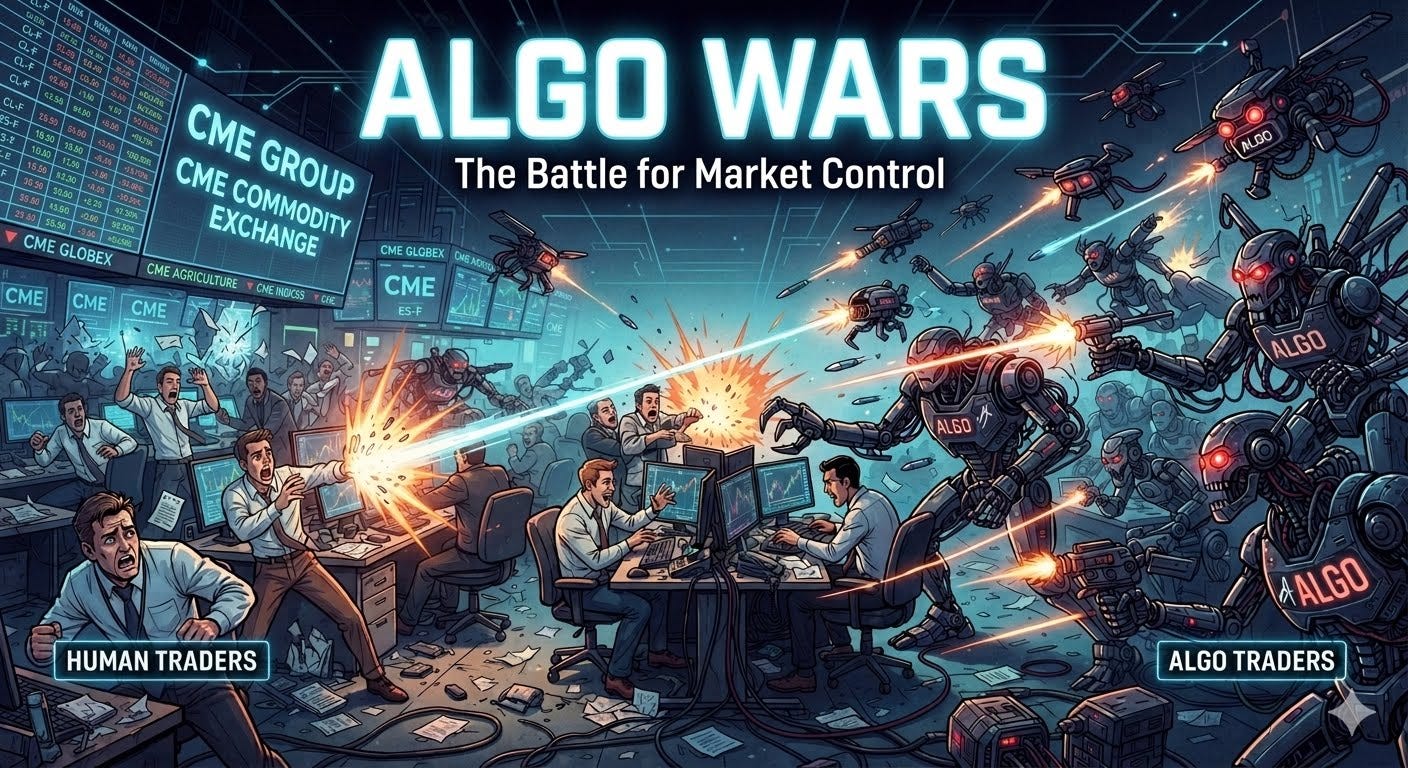
The machines are taking over the shape of the SOFR futures curve. I wrote about “clues” that something may be awry last week. This feels like the plot to every machines-destroy-the-world movie, where you first have machines assist (in the making of curvature markets) and now they are taking over (and determining what the curve should look like). This week, I had a chance to take a closer look at the markets and consider some further clues regarding the way the markets have been trading. Regardless of the markets you trade, you should be aware of the principal Algos operating in your products. Only then can you understand how to profit around them. I’ll be back.
But first the week in news:
· Warsh chose his Fed task force committees. You can read the details from your favorite periodical, but the consensus seems to be that the members are for the most part very qualified. The members of the inflation task force are considered hawkish overall, but these changes are going to be more of a 2027 story. Not only do the task forces have to come up with proposals (which could take most of the year), but the proposals have to be voted on by the FOMC. So it could be some time before there is any material change on the Fed. ChatGPT summarized implications as follows:
o Communications: The highest probability of near-term change. Less reliance on detailed rate-path signaling (SEP/dot plot), greater emphasis on uncertainty and reaction functions.
o Data: The most underappreciated change. If the Fed begins incorporating more real-time administrative and private-sector data, markets may gradually shift attention away from a handful of monthly releases.
o Balance sheet: Potentially the most consequential over the medium term. A smaller structural balance sheet and a rethink of the ample-reserves regime could affect money-market dynamics, Treasury financing, and reserve demand.
o Productivity: Higher estimated productivity growth could imply lower inflation pressure and a higher sustainable growth rate without overheating.
o Inflation framework: This is likely a longer-term project. Reassessment of flexible average inflation targeting (FAIT), with a possible return to a more preemptive approach to inflation. The inflation panel is supposed to be hawkish, but a removal of FAIT seems dovish to me (since we are coming off a time where inflation has been noticeably elevated).
· The NY Fed reported that nearly half of businesses that pay tariffs directly plan further price increases. So tariffs may impact prices for a few more months (up to a year). This would explain the deeper bear-flattening we got this week, as hikes are more likely and eases are less likely. I’m not sure how court-ordered tariff refunds play into all of this. Plus, I would have to question results that came from a business survey in May. Was there something going on that would have caused businesses to be concerned about prices in May, like a WAR?!? May is when we had peak oil prices. Even with “sophisticated” statistical methods, I’m not sure the survey respondents are that careful in distinguishing price increases between tariffs and War. Not to mention any partisan bias in reporting. So I’ll be interested to see how core goods inflation next week will come out compared to the 0.22 mom average in prior months.
· I was surprised when Trump said Friday that the cease-fire is over, and the oil markets sold back off (fractionally). I have been saying for some time that “Iran doesn’t matter, the oil matters,” and that we appear to be able to escort enough ships through the Hormuz to keep oil prices stable (even before the MOU). But I would have thought this length and degree of an impasse would have caused a larger spike in oil.
Algo Wars
Perhaps the Wall of Regressions I posted last week wasn’t the best way to convey to the general public about why the yield curve has been trading “strangely.” Perhaps. Since a picture is worth a thousand words, I would like to present two charts.
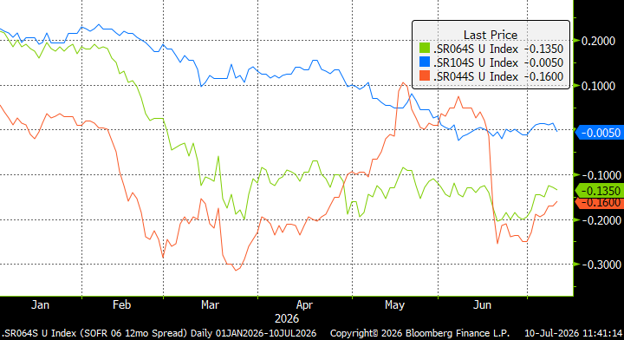
Below is a chart of three selected generic 1-year calendar spreads – the 4th, 6th and 10th. The relevant timeframe to look at is between mid-March and mid-June, since the futures contracts roll, and you start comparing apples to oranges. There are other caveats, but I don’t want to get into those details now.